Buying a used car in Melbourne feels exciting at first. The city offers endless options across dealerships, online platforms, and private sellers but shiny paint and smooth sales talk can quickly cloud judgment. That’s why one must always proceed with a through inspection.
Without a proper vehicle inspection, problems remain invisible until repair bills arrive. Relying on appearances alone can give you unnecessary headaches later on. To avoid this, you need to understand the vehicle you are about to buy. This knowledge will become your strongest ally in the process.
A vehicle check before buying gives clarity, control, and confidence. Let’s understand how.
What Is a Vehicle Check Before Buying?
A vehicle check involves a detailed assessment of a used car’s condition. It covers mechanical health, safety systems, body structure, and legal status. This process goes far beyond a casual glance and reveals issues that surface only under scrutiny.
Many buyers perform a quick look around the vehicle. They start the engine, check the tyres, and glance inside the cabin. This approach misses deeper faults, as internal wear cannot be seen easily. Even financial liabilities never appear on the dashboard.
But a proper inspection from a qualified expert follows a structured method. From assessing the engine under load to testing brakes and reviewing service records, every detail contributes to a clear picture.
Why a Vehicle Check Matters in Melbourne and Victoria?
Melbourne hosts one of Australia’s busiest used car markets. Vehicles change owners rapidly, and private sales dominate online listings. In such a busy market, each transfer increases uncertainty. So, here’s why you should consider a used car inspection:
- Urban driving takes a toll on vehicles. For example, frequent braking wears pads and rotors, and potholes strain suspension components. These issues accumulate silently.
- Victoria also sees high volumes of repaired accident vehicles. Some repairs meet standards, while others hide shortcuts beneath fresh paint. Without an inspection, it is hard for buyers to identify these shortcomings.
- A vehicle check before buying protects value. It ensures you pay a fair price. It supports informed decisions backed by facts rather than promises.
Ultimately, evidence gives you leverage and strengthens your negotiation power.
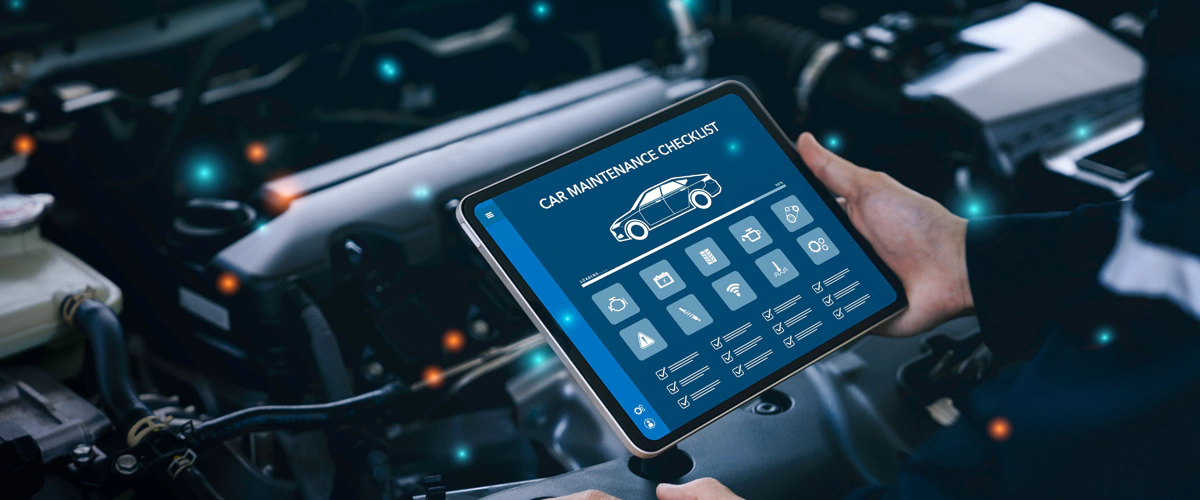
The Ultimate Vehicle Check Checklist
1. Car History and Paperwork
Documentation tells a story, so begin with the Vehicle Identification Number. The VIN must match the chassis and paperwork. Any discrepancies here signal potential fraud. Here’s a quick list:
- Check registration status carefully.
- Confirm expiry dates through official channels.
- Search for finance owing on the vehicle.
- Review logbooks closely.
2. Exterior and Body Condition
Check the vehicle slowly and make notes.
Examine paint consistency across all panels because colour variations can indicate previous repairs. Then, inspect panel alignment, as uneven gaps suggest accident damage. Look for rust around wheel arches and door sills. Check glass surfaces for cracks or chips.
You can use these observations to negotiate a better price.
3. Interior and Electronics
Observe the interiors of the vehicle closely.
- What is the condition of the seats and upholstery? Excessive wear contradicts low mileage claims.
- Can you turn the ignition on? Dashboard warning lights should illuminate briefly then disappear. Persistent lights indicate faults.
- Is the air conditioning working fine? Weak cooling suggests compressor issues, and climate control problems reduce comfort significantly.
4. Engine and Mechanical Systems
Now, open the bonnet to inspect fluid levels and colour. If you see dirty oil, it suggests poor maintenance. Then, examine hoses, seals, and belts. All of these should be problem-free for the vehicle to work well.
5. Tyres, Suspension, and Underbody
Examining tyre condition is also a key step of the assessment. Uneven wear suggests alignment problems or suspension faults. You can also check tyre age through manufacturing codes.
Look underneath the vehicle if possible. Scrapes and bends indicate poor driving history or accidents.
6. Test Drive Evaluation
Finally, a test drive reveals how the car behaves in motion. Start with low speeds first, and listen for unusual noises. Drive on varied roads if possible to get a clearer understanding of its performance.
Using Inspection Results to Negotiate Smartly
So, the real question: Is this inspection just for knowledge? Not at all. It is a weapon you wield in your negotiations to get a fairer price. So, read the findings carefully, distinguishing between minor wear and serious defects. Major issues can demand significant discounts or repairs, while minor ones can get you small price adjustments.
More importantly, never ignore safety related issues. Walking away from such vehicles is always the smartest option.
Tip: Always use written reports during negotiation, and ensure transfer paperwork remains clean. Verify ownership details before final payment. Clarity avoids legal trouble later.
Melbourne Specific Tips and Common Red Flags
First-time buyers often overlook some red flags, incurring serious troubles later on. To avoid such unpleasant experiences, keep the following tips in mind:
- Inspect vehicles during daylight hours.
- Confirm the seller’s identity by matching names against registration documents.
- Review full service history thoroughly, Local servicing records carry more reliability.
- Keep written communication throughout the process.
- Avoid rushed decisions. Pressure tactics signal risk.
- Be cautious if a seller resists independent inspections. It often hides problems.
Final Thoughts
Buying a used car in Melbourne requires vigilance. A vehicle check before buying reveals the truth beneath the surface, protecting your finances. So, do not gamble on your next vehicle purchase and invest in a professional vehicle check before buying. It helps you make a confident and informed choice while protecting your wallet.
If you are ready for it, book your pre-purchase inspection with RideCheck today and drive away with peace of mind.